 :
:
European Countries Expanding Post-Study Work Permits in 2026?
In 2026, many European governments are not just welcoming international students; they are actively designing policies to keep them after graduation. These countries need young, skilled workers in engineering, healthcare, IT, green energy, and manufacturing. And they know universities are the best place to find them.
If your goal is not just to study in Europe but to build a life after graduation, these are the countries you should be paying attention to.
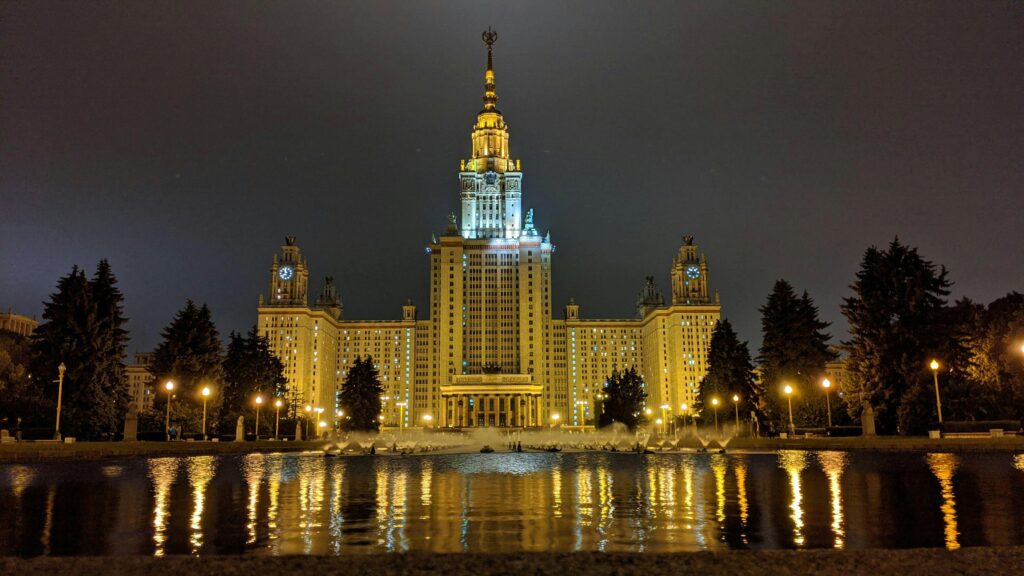
Germany
The Safest Long-Term Bet in Europe
Germany continues to stand out as the most reliable option for international graduates, especially in 2026.
Why Germany keeps expanding opportunities
- 18 months’ post-study residence permit to find work related to your degree
- You are allowed to work almost any job during this period to support yourself
- Recent Skilled Immigration reforms have lowered barriers for graduates
The 2026 advantage
Germany has adjusted salary thresholds for the EU Blue Card, making it easier for young graduates to qualify for long-term work residence; especially in engineering, IT, data, and healthcare.
What this means in real life:
Germany gives you time, flexibility, and multiple second chances. You don’t need to rush into the first offer and employers are already used to hiring international graduates.
Austria
Quietly Becoming More Graduate-Friendly
Austria doesn’t get as much attention as Germany, but it should.
- Graduates can apply for a post-study job-search residence permit
- Clear transition into the Red-White-Red Card system
- Strong demand in technical, engineering, and skilled professional roles
Austria’s system is structured and predictable. If your degree aligns with a skilled occupation and you secure a job within the stay-back period, your path forward is clear.
Best for: students who like rules, structure, and long-term stability.
Poland
Fast-Growing, Job-Driven Opportunities
Poland has become one of Europe’s fastest-growing study and work destinations, and 2026 continues that trend.
- Post-study residence options remain open
- Employers are increasingly familiar with hiring international graduates
- Strong demand in logistics, IT, manufacturing, and business services
Poland rewards speed and seriousness. Students who secure jobs early transition smoothly into work permits and longer residence options.
Key insight:
Poland may not advertise long “job-search visas,” but graduates who move quickly often face fewer barriers than expected.
Hungary
A Practical Option for Technical Degrees
Hungary remains open to international graduates, especially in applied and technical fields.
- Post-study residence permits are still available
- Strong links between universities and industry
- Best outcomes for engineering, manufacturing, IT, and applied sciences
Hungary’s system favors graduates who move directly from education into employment, not long periods of job searching.
Best for: students with practical, industry-linked degrees.
Finland
One of Europe’s Longest Stay-Back Periods
Finland continues to be one of the most generous countries in Europe for post-study work.
- Up to 2 years’ post-study residence permit
- You can work full-time while searching for long-term roles
- Strong demand in tech, sustainability, AI, and healthcare
While Finland is adjusting its permanent residence timelines, that 2-year job-search window remains extremely valuable in 2026.
Ideal for: students who want time to settle, adapt, and build a strong profile.
Sweden
Shorter Window, But Still Valuable
Sweden offers a 12-month post-study residence permit, allowing full-time work while job hunting.
- Works well for students who already have:
- Internships
- Industry connections
- Clear career direction
Sweden is more selective than before, but graduates who are prepared still succeed.
France
Easier Than It Looks (If You Try)
France’s APS permit (12–24 months) continues to improve thanks to simplified digital processes.
- Strong outcomes for students with even basic French
- Good transition rates into work permits
- Especially strong in business, hospitality, tech, and creative industries
France rewards effort. Students who integrate even a little often stay much longer than they expect.
Quick Look: Post-Study Work Options in 2026
| Country | Typical Stay-Back | Best For |
| Germany | 18 months | Engineering, Tech, Healthcare |
| Finland | 24 months | Tech, Sustainability |
| Austria | ~12 months | Skilled professionals |
| Poland | Varies | Fast employment pathways |
| Hungary | Short stay | Technical & applied degrees |
| Sweden | 12 months | Innovation & green sectors |
| France | 12–24 months | Business, tech, creatives |
3 Honest Tips for Students Planning Europe in 2026
1. Learn the local language, even a little
Even in English-taught programs, a B1 level in the local language can double your job opportunities. Employers value integration more than perfect grammar.
2. Internships are everything
In Europe, many students are hired before they graduate. Choose programs with mandatory internships, as they often turn into job offers.
3. Follow shortage lists, not trends
Degrees aligned with shortage occupations move faster through work permits and residence pathways. Popular courses don’t always equal employable ones.
Final Thoughts from Study Boundless
While some destinations are tightening timelines, Europe in 2026 is still open — but intentional.
Countries are no longer offering stay-back permits “just in case.” They are offering them to graduates who are ready to work, integrate, and contribute.
If you choose the right country, the right degree, and plan early, your European education doesn’t end at graduation, and it begins there.
And that’s the difference between studying abroad and building a future abroad.
